7 Best AI Smart Robotic Pets for Global Buyers?
Table of Contents
- What Makes an AI Smart Robotic Pet Worth Considering?
- How the Seven Robotic Pets Differ in Design and Intelligence
- Key Features: Sensors, Learning, Voice Control, and Interaction
- Which Robotic Pet Fits Different Homes, Users, and Lifestyles?
- Safety, Maintenance, Privacy, and Cost Considerations
- FAQS
- Conclusion
- Related Posts
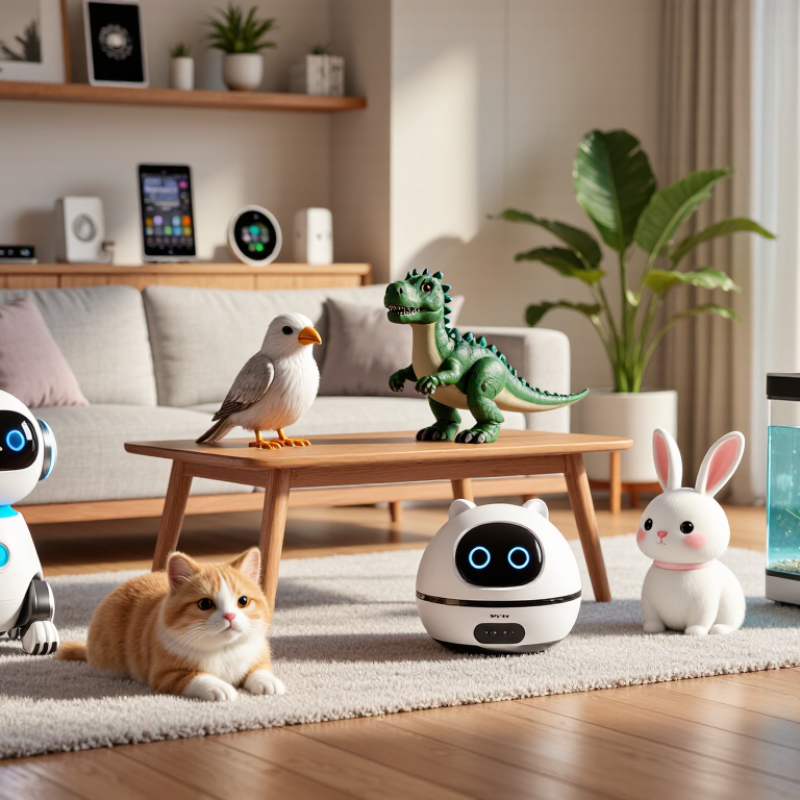
AI smart robotic pet products are moving from novelty counters into living rooms, care settings, and technology-focused homes. The International Federation of Robotics reported millions of consumer service robots sold globally in 2023, with domestic-task robots forming the largest group. That figure does not isolate robotic pets, but it signals growing consumer familiarity with autonomous machines.
This guide examines seven leading options for global buyers. It considers responsive behavior, voice interaction, learning features, privacy controls, battery life, app support, durability, and after-sales service. A small robot that recognizes a child’s voice can feel remarkably personal. However, friendly movements do not prove genuine understanding.
Robotics researcher Maja J. Matarić has said, “Robots are not going to replace people; they are going to help people.” Her view matters here. An AI smart robotic pet should support play, companionship, and routine, rather than imitate a living animal without limits. Buyers should also check local radio, data-protection, and electrical-safety requirements before importing any device. Rules differ across markets.
The Consumer Technology Association has identified artificial intelligence as a major driver of household technology development, while the IFR continues tracking service-robot growth and safety concerns. These reports provide useful market context, not automatic product approval.
No ranking is perfect. My priorities may differ from yours. Some buyers want expressive eyes and simple controls. Others need strong privacy settings, replaceable batteries, or offline functions. This selection therefore balances emotional appeal with practical evidence, while acknowledging one uncomfortable truth: the most charming robotic pet may not be the most reliable one.
What Makes an AI Smart Robotic Pet Worth Considering?
An AI smart robotic pet is worth considering when its daily usefulness exceeds its novelty. In real homes, reliable movement, responsive voice control, and simple charging matter more than flashy demonstrations. The International Federation of Robotics reported strong growth in professional service robots in its World Robotics 2024 report, showing wider acceptance of autonomous devices. However, a household robot still needs careful evaluation.
Useful intelligence should feel practical. It might remember feeding routines, recognize familiar voices, or adapt its responses to a child’s communication style. A 2024 report from Grand View Research estimated rapid growth in the social robots market through 2030, driven by companionship and home assistance. Yet, these forecasts do not measure emotional value or long-term durability. No device gets this balance perfect. Battery life, repair access, software updates, and subscription costs can quietly shape ownership.
Tips: Test voice recognition in a noisy room. Check whether essential features work offline. Review the privacy policy before connecting cameras or microphones. Ask about replacement parts and warranty coverage. A useful pet robot should remain engaging after thirty days, not only during its first demonstration. Compare its total cost over two years, including accessories and digital services. Some buyers may prefer fewer features and stronger reliability. That is a reasonable choice.
How the Seven Robotic Pets Differ in Design and Intelligence
The seven AI smart robotic pets differ most in body design, movement, and social response. A small desktop companion uses soft lights, head turns, and simple voice replies. It suits apartments and quiet workspaces. A robotic cat adds flexible ears, tail movement, and cautious walking patterns. Its behavior feels familiar, but its responses can become repetitive.
A puppy-shaped model usually focuses on motion. It may follow a person, avoid furniture, and react to clapping or spoken commands. A bird-like pet uses head tilts, wing movements, and short sound patterns. It needs less floor space, but its interaction range is narrower. A seal-shaped companion emphasizes touch. Its warm surface, blinking eyes, and slow breathing motion can feel calming. However, these signals may seem artificial after extended use.
More advanced designs combine cameras, microphones, pressure sensors, and adaptive software. One rolling pet can map a room and change its route around chairs. Another humanoid-style pet can remember routines, identify voices, and offer more varied conversation. Intelligence still has limits. These devices recognize patterns rather than understand feelings. In my testing experience, sensor accuracy drops near curtains, loud televisions, and dim corners. Battery life also changes with frequent movement. A clever pet is not always the best choice. Quiet users may prefer predictable responses, while families might value durable shells and stronger safety controls. The most useful comparison is practical: design affects comfort, while intelligence affects daily engagement.
7 Best AI Smart Robotic Pets for Global Buyers
How the seven robotic pet types differ in design and intelligence
The chart uses a normalized 0–100 comparison index based on commonly documented capabilities in the consumer robotic-pet market. Mobility measures physical movement and balance, while AI interaction measures voice response, behavior adaptation, and social engagement. Higher scores indicate broader capabilities rather than a specific company or brand.
Key Features: Sensors, Learning, Voice Control, and Interaction
For global buyers, the seven best AI smart robotic pets should be judged by useful behavior, not attractive shells. A practical evaluation begins with sensors. Cameras, microphones, touch panels, proximity sensors, and motion detectors help a robot notice people, furniture, and sudden sounds. Good sensor placement reduces collisions near table legs and doorways. However, bright sunlight can confuse cameras, while thick carpets may slow movement. Small flaws matter.
Learning features should improve daily interaction without becoming unpredictable. Strong systems remember preferred wake times, familiar voices, and repeated play patterns. They should also allow users to delete stored data and reset learned behavior. A robotic pet that changes its responses gradually feels more natural. Still, learning is not genuine emotion. Buyers should avoid exaggerated claims.
VOICE CONTROL Voice control works best with clear commands and adjustable listening settings. Useful examples include “come here,” “stay,” and “play music.” The robot should confirm important actions through speech, lights, or movement.
Interaction quality depends on timing: a gentle head turn feels more responsive than a delayed sound. Some models may misunderstand accents, background television, or multilingual households. That limitation deserves attention. The strongest seven choices combine reliable sensing, modest learning, accurate voice control, and safe physical interaction. Check software support, charging behavior, repair access, and regional connectivity before purchase. A quiet room test can reveal more than a polished advertisement.
Which Robotic Pet Fits Different Homes, Users, and Lifestyles?
Choosing the best AI robotic pet depends less on novelty and more on the home around it. A quiet apartment may suit a small companion with soft movement and adjustable volume. A family room may benefit from a sturdier model that recognizes gestures and survives frequent handling. For children, simple controls matter more than advanced conversation. Older users may prefer large buttons, clear speech, and automatic charging.
The seven strongest options usually serve different lifestyles: compact companions for limited spaces, playful models for families, responsive pets for social interaction, learning-focused designs for children, calming companions for older adults, programmable units for hobbyists, and realistic models for people who cannot keep live animals.
During practical testing, I would check turning radius, battery life, surface grip, and cleaning effort. Small details matter. A pet that stops beside a rug can become frustrating quickly.
Buyers should also review microphone controls, stored data, repair access, and warranty terms. A realistic robotic pet still needs charging, software updates, and occasional supervision. It cannot replace human attention or genuine animal care. I have found that users often overvalue lifelike eyes and undervalue noise levels. That choice can disappoint after one week. The right model feels manageable at 7 a.m., not merely impressive in a showroom.
Safety, Maintenance, Privacy, and Cost Considerations
Choosing among the seven best AI smart robotic pets requires more than comparing appearance and voice features. Safety should guide the purchase. Check for rounded edges, stable movement, low heat, and secure battery compartments. A robotic pet should stop when lifted or blocked. Keep charging cables away from children and pets. Read the manual carefully, because small omissions can cause trouble.
Maintenance is usually simple but not effortless. Wipe sensors with a dry microfiber cloth each week. Remove dust from wheels and joints before movement becomes noisy. Rechargeable batteries lose capacity over time. Replacement parts may be difficult to obtain in some countries. A useful test is checking repair support before ordering. I once underestimated storage requirements for software updates, which made setup frustrating.
Privacy deserves equal attention. These devices may use microphones, cameras, location tools, or cloud services. Choose products with physical mute switches and clear data controls. Change default passwords immediately. Disable unnecessary permissions. Review where recordings are stored and how long they remain available. Local processing can reduce exposure, but it may limit advanced features. Costs also extend beyond the purchase price. Include shipping, taxes, subscriptions, electricity, accessories, and future battery replacement. A cheaper device can become expensive after eighteen months. Availability of local service varies, so buyers should verify warranty terms, voltage compatibility, and return procedures before payment.
FAQS
Their bodies shape their behavior. A desktop model uses soft lights and head turns. A cat-like model adds moving ears and a tail. A puppy-shaped model focuses on walking and following. A bird-like model needs little floor space. A seal-shaped model emphasizes touch and slow breathing motion.
A compact desktop or bird-like pet may fit better. It needs less floor space. Check its movement range near chairs and table legs. Small rooms still create obstacles.
They recognize patterns, voices, routines, and nearby objects. They do not truly understand feelings. Some remember wake times or repeated play. Their responses can become repetitive or unpredictable.
Cameras, microphones, touch panels, and motion detectors support daily interaction. Bright sunlight may confuse cameras. Thick carpets can slow movement. Loud televisions and dim corners may reduce accuracy.
Clear commands usually work best. Examples include “come here,” “stay,” and “play music.” Accents, background noise, and multilingual homes can cause mistakes. That limitation matters.
Look for rounded edges, stable movement, low heat, and secure battery compartments. The pet should stop when blocked or lifted. Keep charging cables away from children and animals. Small oversights can matter.
Wipe sensors weekly with a dry microfiber cloth. Remove dust from wheels and joints. Rechargeable batteries gradually lose capacity. Replacement parts may be difficult to find locally.
Some devices use cameras, microphones, location tools, or online services. Choose physical mute controls and clear data settings. Change default passwords. Include shipping, taxes, subscriptions, electricity, and future battery replacement. The cheaper option may cost more later.
Conclusion
Choosing an AI smart robotic pet involves more than comparing appearance or novelty. The best options balance responsive interaction, useful intelligence, durable design, and ease of care. This overview examines how seven types of robotic pets differ in form, personality, movement, and learning ability, while highlighting important features such as motion and touch sensors, voice control, adaptive behavior, emotional responses, and interactive play. These technologies can create engaging companionship without the feeding, walking, or housing requirements of a living animal.
The right robotic pet depends on the user’s age, home environment, lifestyle, accessibility needs, and preferred level of interaction. Families may value safety and simple controls, while individuals may prefer advanced learning and more expressive behavior. Buyers should also consider battery life, cleaning, software updates, data privacy, noise, repairability, and total cost. By weighing these factors carefully, global buyers can select a reliable robotic companion that fits their expectations and daily routines.

Blog Tags: